
At the early stages of a business, organizing client information in spreadsheets or notebooks may seem sufficient. You track who called whom, note when a follow-up is due, and write down the basics after each meeting.
But as your business grows, so do your responsibilities:
More clients to follow up with
More team members involved
More channels of communication
More chances to drop the ball
Suddenly, spreadsheets turn into a tangled mess, and communication gaps start affecting client relationships and internal workflow.
If that sounds familiar, it’slikely time to consider a more reliable, scalable solution: a CRM system.
A CRM system, short for Customer Relationship Management, is a tool that helps you manage all your interactions with current and potential clients. It allows your team to store client data, track communication, assign tasks, and keep every part of the customer journey organized and accessible.
A good CRM system allows you to:
Store and organize client information
Track calls, emails, and meetings
Set automatic reminders for follow-ups
Manage sales opportunities or project progress
Coordinate team communication
In short, it’s the central brain of your business when it comes to client relationships.
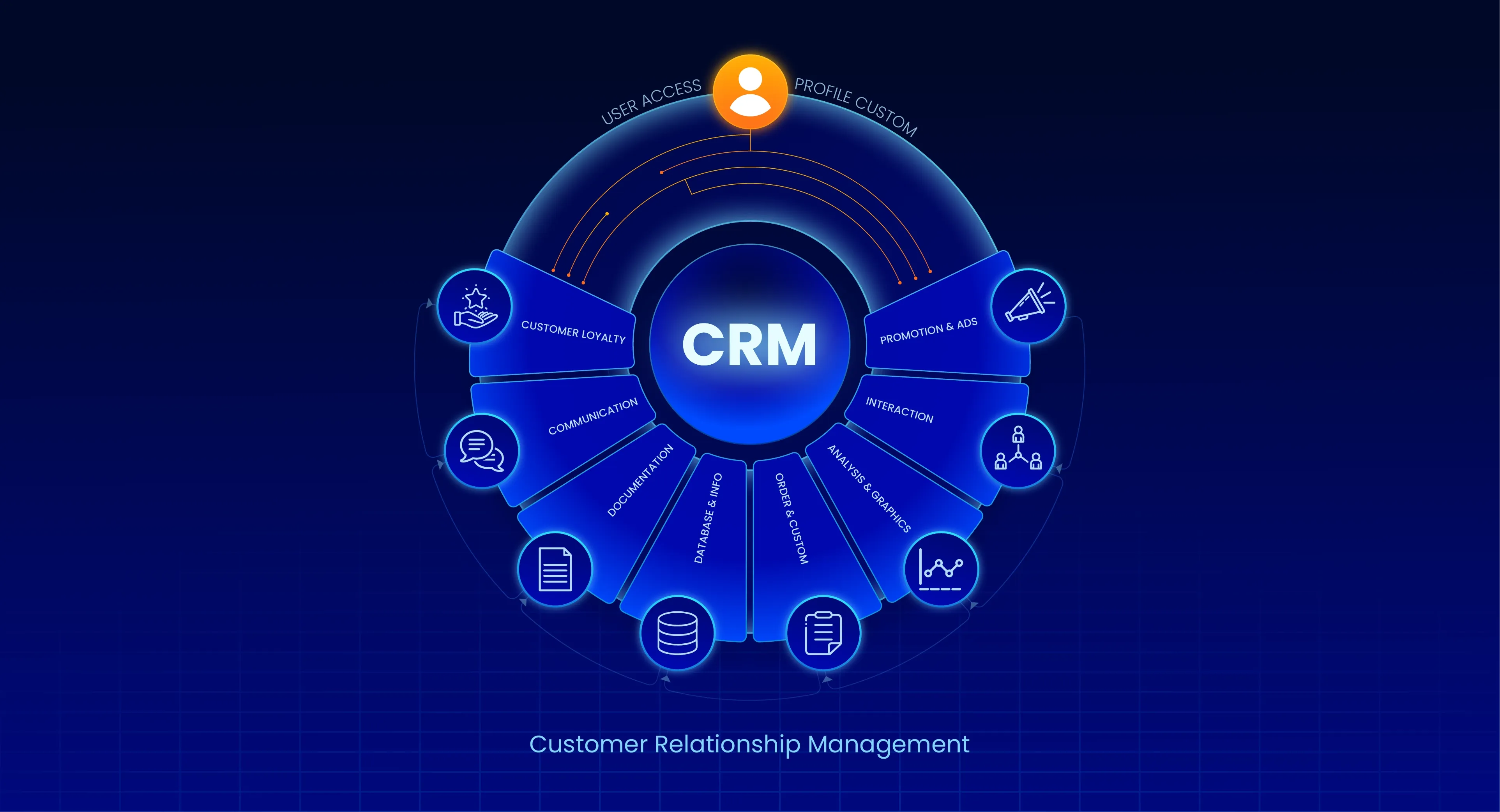
The right CRM will include features that reflect your real workflow, not a set of rigid rules. Key elements often include:
Contact Management
Keep all your customer and lead details organized in one secure database.
Communication Tracking
View all interactions, emails, calls, notes, in one client timeline.
Task & Reminder System
Create and assign tasks, set deadlines, and automate reminders.
Sales Pipeline or Project Tracking
Visualize where each deal or task stands at a glance.
Team Collaboration
Share updates across teams and eliminate duplicated efforts.
The ROI of a CRM system is not just in saving time,it’s in running a cleaner, smarter business. Here’s how:
1. Everything in One Place
No more scattered notes, lost emails, or forgotten calls. Everyone on your team knows what’s happening with every client.
2. Improved Responsiveness
Faster replies and consistent follow-ups create a more professional image and better customer satisfaction.
3. Better Internal Communication
Everyone knows who’s handling what, and nothing gets done twice or not at all.
4. More Organized Sales or Project Flow
From lead to closing or from first meeting to project delivery, you have a structured path.
5. Informed Decision-Making
With clear metrics, reporting, and history, you can spot bottlenecks and opportunities more easily.

Ask yourself:
Are you handling more than 15–20 clients at once?
Do you miss follow-ups or forget important tasks?
Is your team unclear on responsibilities?
Are client details stored in multiple places?
Do you rely too much on memory?
If you said yes to two or more, a CRM system could dramatically improve your daily workflow.
Spreadsheets are useful tools. But they'renot made for collaboration, reminders, or communication tracking.
CRM systems are designed for this purpose. While Excel may suffice for a small client list, it becomes fragile, error-prone, and inefficient as you grow.
With a CRM:
Your team works from one source of truth
You get automated follow-ups
Nothing is lost in translation
A regional food distributor with over 30 retail locations contacted us after they realized they were losing deals due to poor internal coordination.
The problem:
Each sales rep had their own way of tracking leads
Client information was split across emails, notes, and files
No unified view of customer history
Follow-ups were inconsistent
The solution:
We developed a custom CRM system tailored to their exact workflow. The system:
Centralized all contact data
Created automatic follow-up reminders
Gave managers full visibility into the sales pipeline
Integrated seamlessly with their existing order system
The result:
40% fewer missed opportunities
25% shorter sales cycle
Improved team accountability
Happier, better-served clients

There are many CRM platforms out there:HubSpot, Salesforce, Zoho, and others. But for many companies, these tools are:
Too complex
Packed with features they don’t need
Difficult to customize without technical help
Expensive over time
That’s why we focus on custom CRM development. We build solutions specifically for how your team works, using the tools you’re already familiar with.
It’s the difference between renting a suit and getting one tailored.
CRM systems aren’t just for sales teams. They’re transforming how organizations work in many industries:
Legal Firms
Track cases, deadlines, and client communication in one place.
Consulting Agencies
Monitor client projects, notes, and billing timelines with ease.
Architecture & Construction
Coordinate feedback, deliverables, and phase deadlines across teams.
Creative Agencies
Streamline briefing, revisions, and approvals.
eCommerce & Retail
Track wholesale clients, manage inventory conversations, and streamline B2B logistics.
There’s no “one size fits all” CRM. To pick the right one:
Define your core needscontacts? sales? support? all three?
Consider your team size and tech-savviness
Avoid overbuilt platforms unless you need advanced functionality
Think about future growth can it scale with you?
Look for a partner, not just a provider, someone who understands your workflow

“CRM is only for big companies.”
Many small teams benefit the most, it’s where organization really counts.
“CRM is too complicated.”
A well-designed CRM can be simpler than your current system.
“Our Excel setup works fine.”
Until it doesn’t. CRMs help you anticipate and grow, not just react.
How long does it take to implement a CRM?
Custom CRMs usually take 3–6 weeks from planning to launch.
Do we need training?
Only minimal. A good CRM fits your current habits and adds structure, not complexity.
What if our processes change later?
We build flexible systems you can grow into, with options for future upgrades.
A CRM isn’t about software. It’s about having control over your business relationships and internal workflows.
Whether you're handling five clients or fifty, a good CRM gives you clarity, structure, and peace of mind.
You don’t need to commit to anything right now. But if you’re curious to see what a CRM made for your business could look like, feel free to get in touch,we’d be happy to schedule a short call and walk you through the possibilities.
No pressure. No obligation. Just a conversation.